Tuesday, 25 April 2017

Helping the Homeless

- While many individuals seeking shelter due to homelessness use the service for the short-term, in many urban settings, studies have shown that 10% of these people have been homeless for over a year (Muckle & Turnbull, 2006).

- This means that many homeless people seeking shelter in Canada must use shelters for the long-term.

- However, many municipalities have proven to be unprepared to face the issue of homelessness (Ranasinghe & Valverde, 2006)

- It is harder to create services and resources for homeless people, such as shelters, than one may think (Ranasinghe & Valverde, 2006).

- Ranasinghe & Valverde (2006) concluded that to solve the issue of homelessness, all three levels of the Canadian government must work together

- Crowded conditions in homeless shelters create a negative environment for the homeless (Miller et al, 2004). This is an issue that must be addressed for both the comfort and health of the homeless population.

- Some researchers have suggested that offering counseling services in shelters could also assist the homeless population (Miller et al, 2004).

- Not only must officials make sure that there are adequate shelters and resources for the homeless, but they must also ensure that these resources are positive and well-kept up.

- Resources for the homeless can be found on the "resources" page on this blog.

Image result for homeless shelter 


Homeless Aboriginals

- a disproportionate amount of Aboriginal people face homelessness (Menzies, 2008).

- 26% of people in Toronto lacking shelter are Aboriginal. This is significant because they make up less than 1% of Toronto's total population (Menzies, 2008).

- Aboriginal homelessness in Canada is both a historical and contemporary issue. The legacy of colonization and residential schools have contributed to the homeless statuses of many Aboriginal Canadians through trauma, poverty, and mental illness (Menzies, 2008).

- This is related to "anomie": Aboriginals have struggled to find a place to belong amongst Canadian culture and what remains of their own cultures. (Menzies, 2008).

- There is evidence that statistics concerning the homeless Aboriginal population are inaccurate and that this is a much larger issue (Thurston et al, 2013).

- Street-involved Aboriginal youth were 2.5 times more likely to contract HIV than the general population (Marshall et al, 2008)

Image result for homeless aboriginals canada 


Homelessness and Discrimination

- According to Skosireva et al's Toronto-based study (2014), many homeless persons perceived that they faced discrimination in healthcare.

- Perceiving discrimination is a serious problem for homeless people, especially concerning healthcare services. If individuals believe they are being discriminated against, they may be hesitant to seek treatment for health problems.

- There is a correlation between the perception of discrimination related both to one's homeless status and one's status as mentally ill or struggling with drug abuse (Skosireva et al, 2014).

- Some homeless individuals in Skosireva et al's study felt that they were being judged based on their racial or ethnic background along with their homeless status (2014)

Image result for black homeless person 

- Homeless individuals tend to perceive discrimination based on their mental health status more often than their racial or ethnic backgrounds (Skosireva et al, 2014)

- However, this does not erase the race-based discrimination that homeless individuals do face.

- Those with substance abuse problems were more likely to report feeling like they were being discriminated against than those who did not struggle with these issues (Skosireva et al, 2014)


Homeless Youth

High levels of depression and suicidal thoughts have been discovered among homeless youth (Smart & Walsh, 1993). A Canadian study measuring issues that homeless youth faced actually found that about 25% of homeless youth struggled with thoughts of suicide (Smart & Walsh, 1993).

According to Smart & Walsh (1993):
     - self esteem, social support systems and uses of a hostel were related to depression in homeless youth
     - street youth scored as more depressed if their parents or guardians' drug use resulted in them moving out of their homes and into the street
    
Image result for homeless youth
     Image source

-Youth are one of the fastest growing homeless populations in Canada (Doroshenko et al, 2012).

- Homeless youth have a higher chance of facing issues related to malnutrition than the general Canadian population (Doroshenko et al, 2012)

- Homeless youth tend to use drugs (both legal and illegal) at higher percentages than non-homeless individuals of the same age (Doroshenko et al, 2012).


- 150,000 Canadian youth live on the streets daily (Doroshenko et al, 2012).

Image result for youth cigarette


Monday, 24 April 2017

Homeless Women

While people of all genders may face homelessness, Canadian women have increasingly been the subjects of studies and articles concerning the experiences of homeless females throughout the nation.

Homelessness is traditionally seen as something that men face (Lenon, 2000), however, families, young Canadians, and women are said to be accelerating their at-risk statuses concerning homelessness (Lenon, 2000). For example, in Montreal in 1996, 30-40% of the homeless population were women (Lenon, 2000).

 Image result for homeless woman


- Between 1997-1998, over 90,000 women and children fled to various shelters in Canada (Miller & Mont, 2000)
     - a substantial amount of women were fleeing abuse
     - approximately 60% of the women were mothers
     - However, statistics on homelessness have not included these women

- 57% of single-parent families with a female provider are living in poverty (Lenon, 2000)

- 19% of adult Canadian women are poor (Lenon, 2000)

-These statistics show that women are at risk of poverty, which may result in homelessness or a lack of access to housing (Lenon, 2000)

Friday, 21 April 2017

Psychology and Homelessness Part 2

- Bell & Walsh's 2015 study involved interviewing men in a homeless shelter

                      - they described feeling like outsiders

                      - The absence of a house or home was connected to a feeling of a loss of identity, self    worth, and self-efficacy

                      - These negative feelings can contribute to negative mental health

Image result for mental illness men 

- Historically the mentally ill have also been considered as "the other", often resulting in stigma and isolation (Gomory et al, 2013)

- Unfortunately, prejudiced attitudes towards the mentally ill are not so far back in history that they have disappeared entirely.

- Tringo's 1970 study, cited by Noe (1997) found that

                 - people with mental illnesses were thought of as undesirable

                 - those struggling with alcoholism were considered as even less desirable than those with other mental health issues

- as the homeless population has struggled with mental illness, including alcoholism (O'Reilly-Fleming, 1993), this creates an intersection of stigmatization

Psychology and Homelessness Part 1


- In comparison to the general Canadian population, homeless Canadians have been found to deal with higher rates of problems such as social isolation and mental illness (Duchesne & Rothwell, 2016).

 Related image


- McLaughlin's study, cited by O'Reilly-Fleming (1993) observed and recorded data from Ontario's homeless shelters on the night of January 22nd, 1987

                    - 33.3% abused alcohol

                    - 15% used illegal drugs

                    - 20.1% were current/former psychiatric patients

- This study ultimately concluded that there was definitely a correlation between homelessness and mental health issues (O'Reilly-Fleming, 1993).

Image result for alcoholism 

Monday, 17 April 2017

History and Homelessness Part 2

-By the 1960s, the shortage of housing still had not gained much publicity, leaving the public largely uninformed on the issue of homelessness (O'Reilly-Fleming, 1993; Finkel, 2006).

-In the 20th century, governments did not fund homeless shelters effectively
(Peressini & Engeland, 2004).

-This lead to a peak in the homeless population by the 1990s (Richter et al, 2011)

-This lead to a change in news coverage of homeless issues

-Between 1997 to 2001, and 2006 to 2007, the issues that the homeless faced were discussed within the media at a much higher rate than seen in previous years (Richter et al, 2011). 

 https://blogger.googleusercontent.com/img/b/R29vZ2xl/AVvXsEjYL9uSuNNS1FKCQYJ_Vs0KnaR4_EU6HzR-z1tRQxnUCEbp0A_yaYbF_dhC2N2FVLM_i12LvTc9E9_u8XAifjZkwZJtwH4Rhyphenhyphen3P18zkoeYRiDDX705nz1LmhVT1ys4z4xFmVNrOl1MgCeU/s320/Young-person-homeless-hun-007.jpg

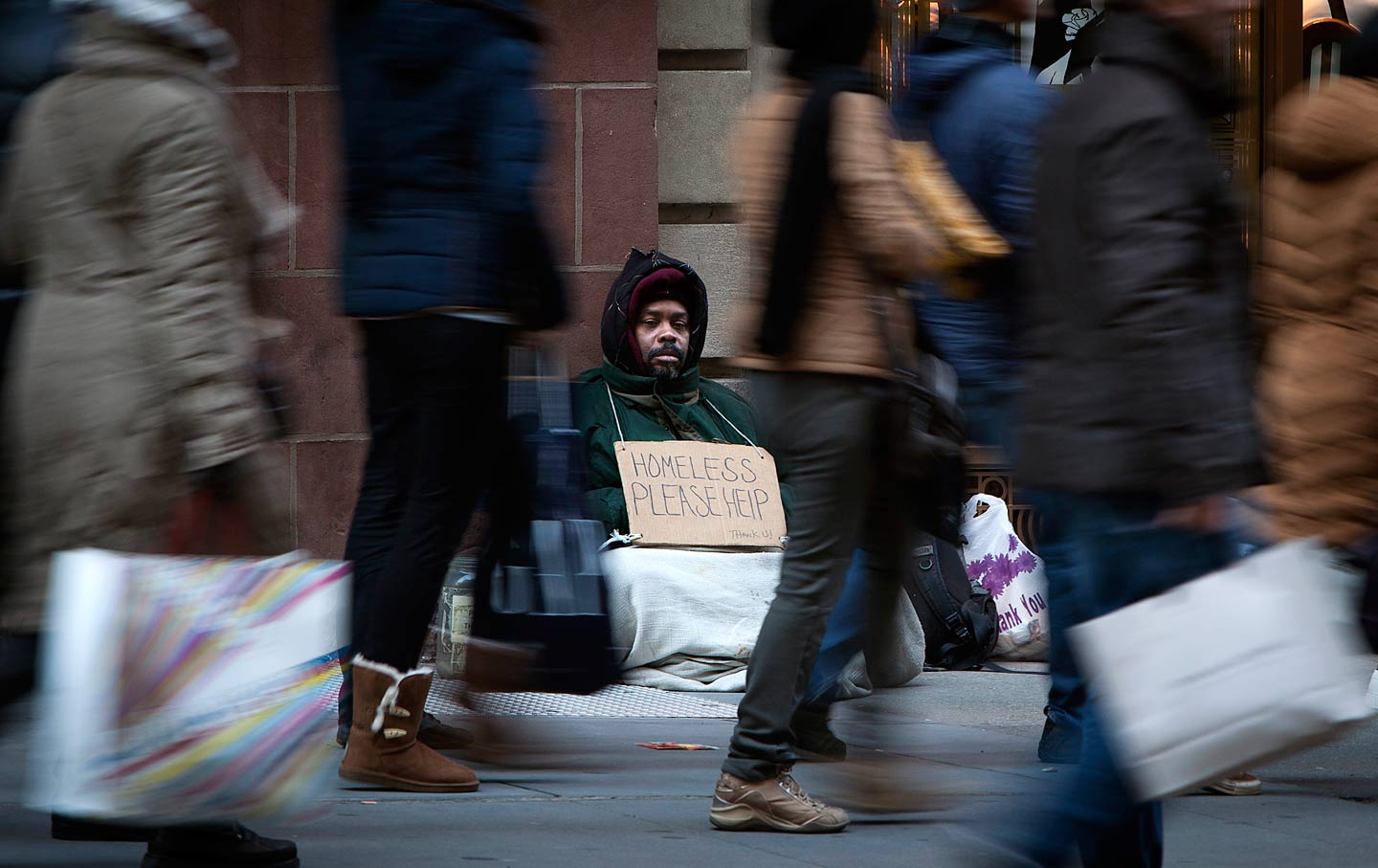
 A homeless person (source)

-Societal attitudes toward the homeless have changed due to this increased news coverage.

-In 1998, some Canadian politicians from major cities across the nation declared homelessness as a national disaster (Lenon, 2000).

-However, not all Canadians have compassionate attitudes towards the homeless population. In 2002, Jim Flaherty, a Canadian politician, said that homeless people should be jailed (Nelson, 2013).

Friday, 14 April 2017

History and Homelessness Part 1

Homelessness is not new, just as negative attitudes towards the homeless population are not new (O'Reilly-Fleming, 1993).

-In England in the 1300s, vagrancy laws targeted the homeless population (O'Reilly-Fleming, 1993)

-Before the 1900s, British colonies brought their class structure to America. This resulted in issues with property ownership and lead to workhouse labor tests which allowed people to discriminate against those living in poverty (O'Reilly-Fleming, 1993).

-Post World War 2, Canada had issues with overcrowding in housing. The private sector struggled with providing proper living arrangments to Canadians (O'Reilly-Fleming, 1993)

-The 1930s housing shortage made life even more difficult for Canadians, which was worsened by the lack of media attention and discussion of these issues (Finkel, 2006).


A former English Workhouse (Wikipedia)

Monday, 10 April 2017

Important Definitions

On this blog, articles or fact-sheets will be posted discussing homelessness. Certain concepts will be referred to often, and this first post is meant to clarify the definitions used for these articles.


The word “homelessness” is defined as the chronic, sporadic, or situational condition of being without proper accommodation (O’Reilly-Fleming, 1993). In other words, those without a place to stay, for a variety of possible reasons, qualify as “homeless”.

Poverty is described as a situation measured through income, particularly concerning the amount of income necessary to meet basic needs. When somebody does not have enough income to meet the basic demands of living, they are living in poverty (Vidyasagar, 2006).


The concept of mental illness is connected to homelessness and poverty, defined as emotions and behaviors that interfere with one’s personal life and “essential life functions” (Overton & Medina, 2008).  


These definitions are essential to understand for the purpose of this blog.